
5 Creative Skills for Jewelry Ads | Case Study
This 2020 SocialPeta case study looks at five creative approaches used in jewelry advertising, from carousel ads and detailed product visuals to video creatives, men's jewelry positioning, and promotional copy.
In 2020, the COVID-19 pandemic significantly changed consumer behavior. With people going out less often and paying less attention to dressing up, jewelry sales faced additional pressure and competition among jewelry advertisers became more intense.
Against that background, SocialPeta compiled five representative creative approaches for jewelry ads and analyzed the advertising ideas behind them:
- Set up carousel ads.
- Combine model displays with detail shots.
- Turn beautiful product images into video creatives.
- Combine masculine imagery with men's accessories.
- Use promotional copywriting to attract traffic and clicks.
Ready to optimize the CTR of your jewelry ads and promote your products more effectively? The following five examples illustrate approaches advertisers were using at the time.
Use Carousel Ads to Showcase a Jewelry Collection
Setting up carousel ads is a common creative technique for jewelry advertising. Grouping products from the same collection together in a carousel is one of the most straightforward forms of product advertising and is particularly suitable for jewelry.
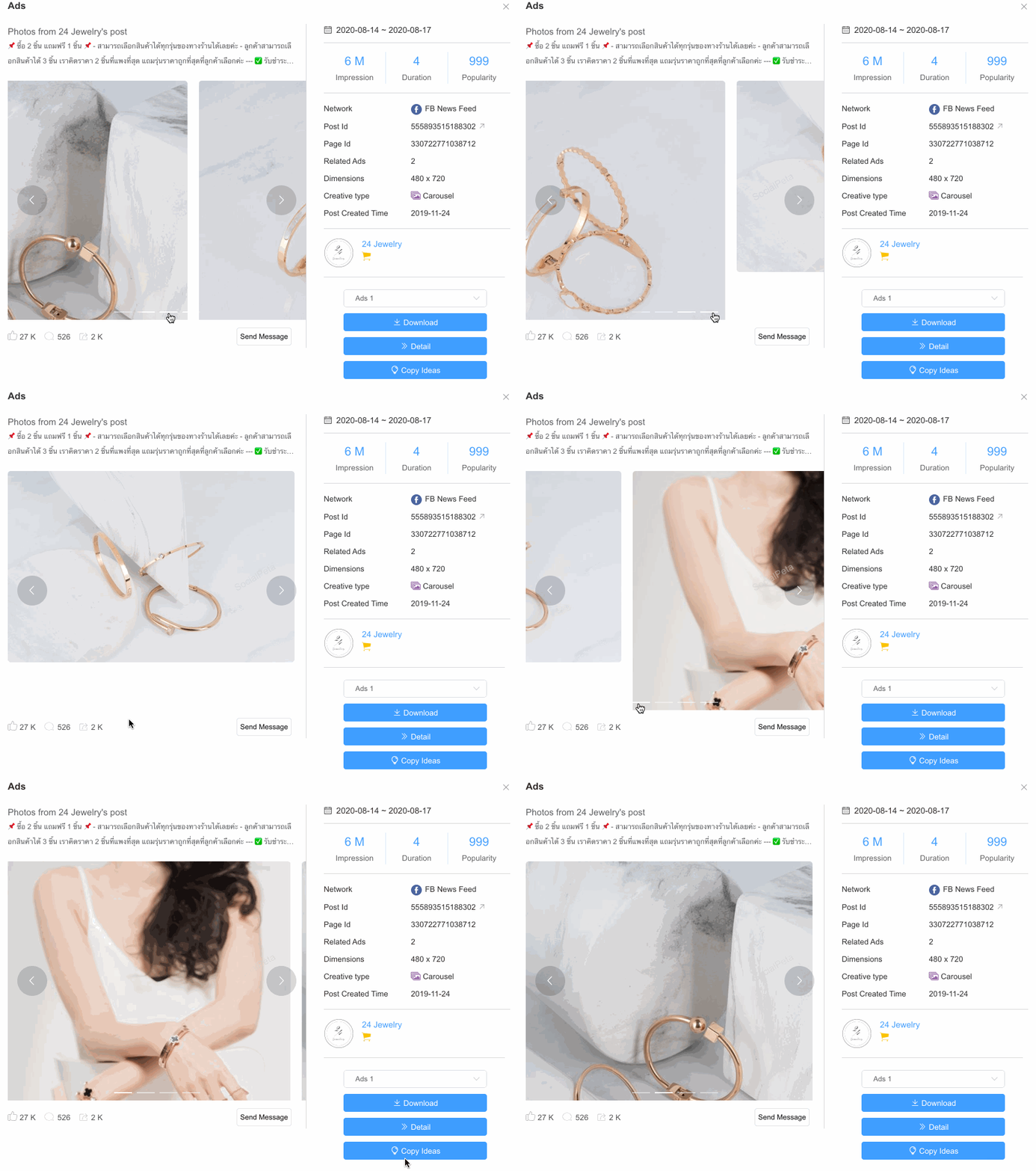
One example in the original case study was an advertisement placed by 24 Jewelry on Facebook. The campaign used a carousel format and, according to the original SocialPeta analysis, reached around 6 million impressions within four days and achieved strong popularity.
The execution was notable not only because of the carousel format, but also because of the visual treatment. Simple white marble, glass-like surfaces, and rose-gold jewelry created a consistent composition that allowed the products to stand out without an overly complicated layout.
Combine Model Displays with Detail Shots
Visual communication is one of the most important parts of jewelry advertising. For jewelry buyers, how attractive a product looks and how well its craftsmanship is communicated can directly influence the purchase decision.
The original analysis stated that nearly 90% of the jewelry ads reviewed emphasized product details. The Real is a Diamond IN example took this approach further by combining detailed product views with a model wearing the jewelry.
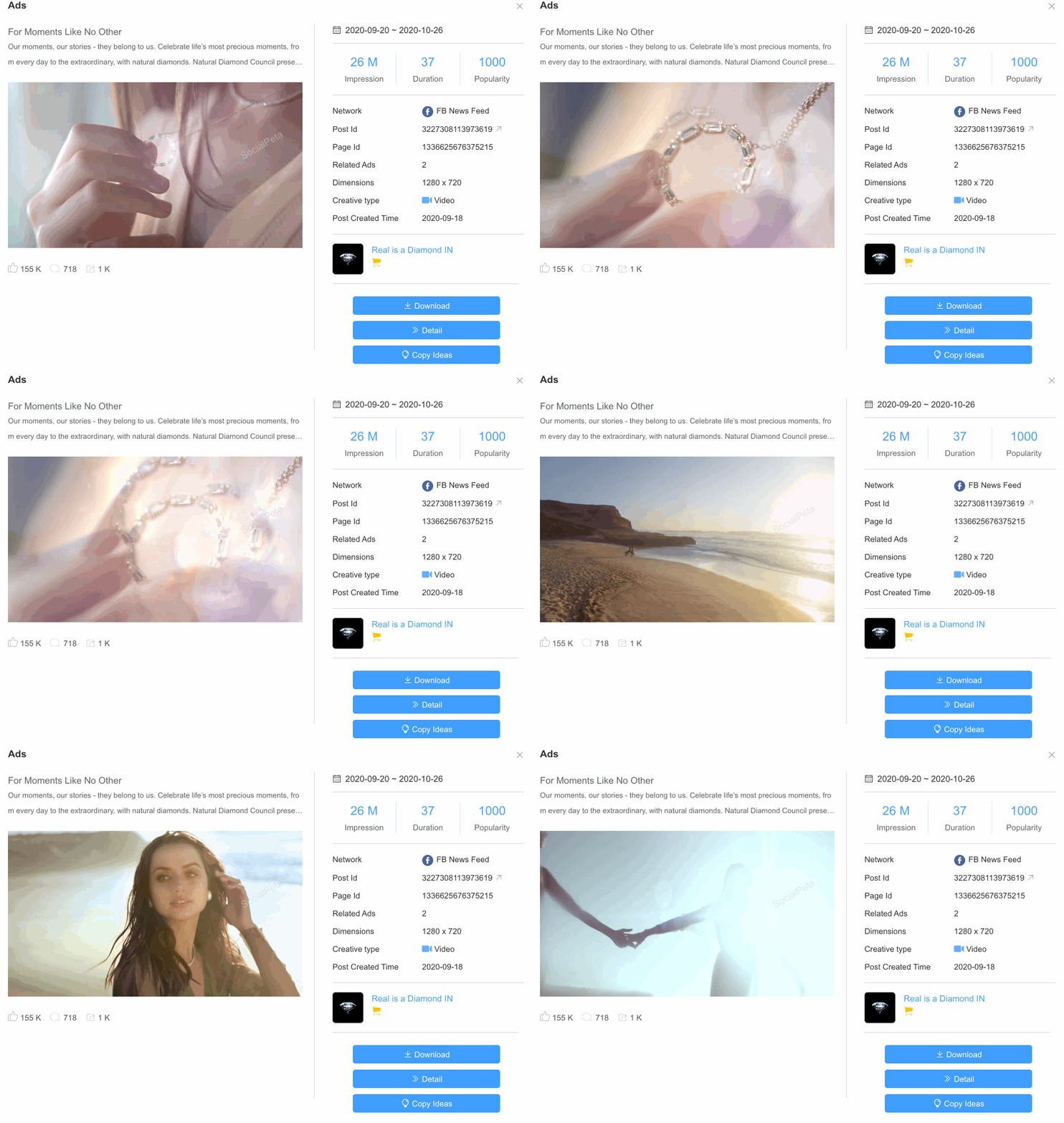
Instead of relying only on static close-ups, the creative used the model to show how the jewelry looked when worn, while detailed profile shots communicated product quality. Compared with ordinary product-detail images, this combination created a more dynamic presentation and gave viewers both a lifestyle context and a closer look at the product.
Turn Product Images into Video Creatives
Beyond carousel images, another practical approach is to combine a collection of polished product images into a video. This allowed jewelry advertisers to work with video placements without requiring a complex video production workflow.
In the original 2020 SocialPeta analysis, a keyword search for jewelry-related advertising showed a particularly large amount of activity on Facebook. The article stated that more than 1 million relevant advertisements had appeared on the platform within a two-month period.
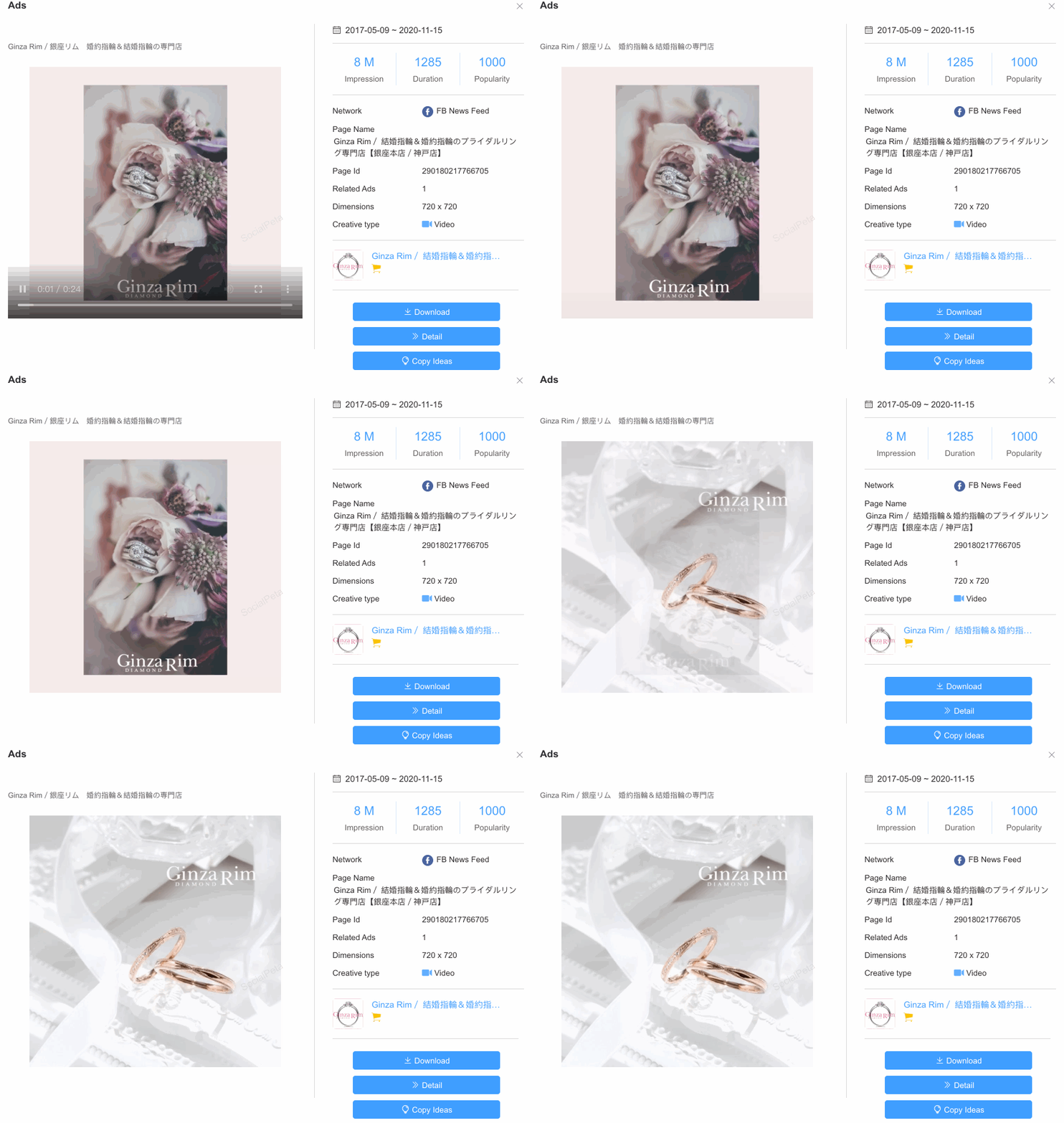
The Ginza Rim example illustrated how a sequence of attractive product images could be assembled into a simple video creative. While visually similar to a carousel, the video format could highlight jewelry details and texture through controlled sequencing and movement while fitting naturally into video advertising placements.
Marketers looking for current advertising creatives can use SocialPeta's Ad Intelligence platform to research active advertising and creative patterns.
Match Men's Jewelry with Masculine Visuals
Jewelry advertising does not have to focus exclusively on women. The original SocialPeta analysis reported that men represented 42.9% of the audience attention observed for the keyword "jewelry." Some of that interest could come from shoppers looking for gifts, while another part of the market consists of jewelry designed specifically for men.
That creates a different creative challenge: how should an advertiser present men's jewelry in a way that matches the motivations and visual expectations of the intended audience?
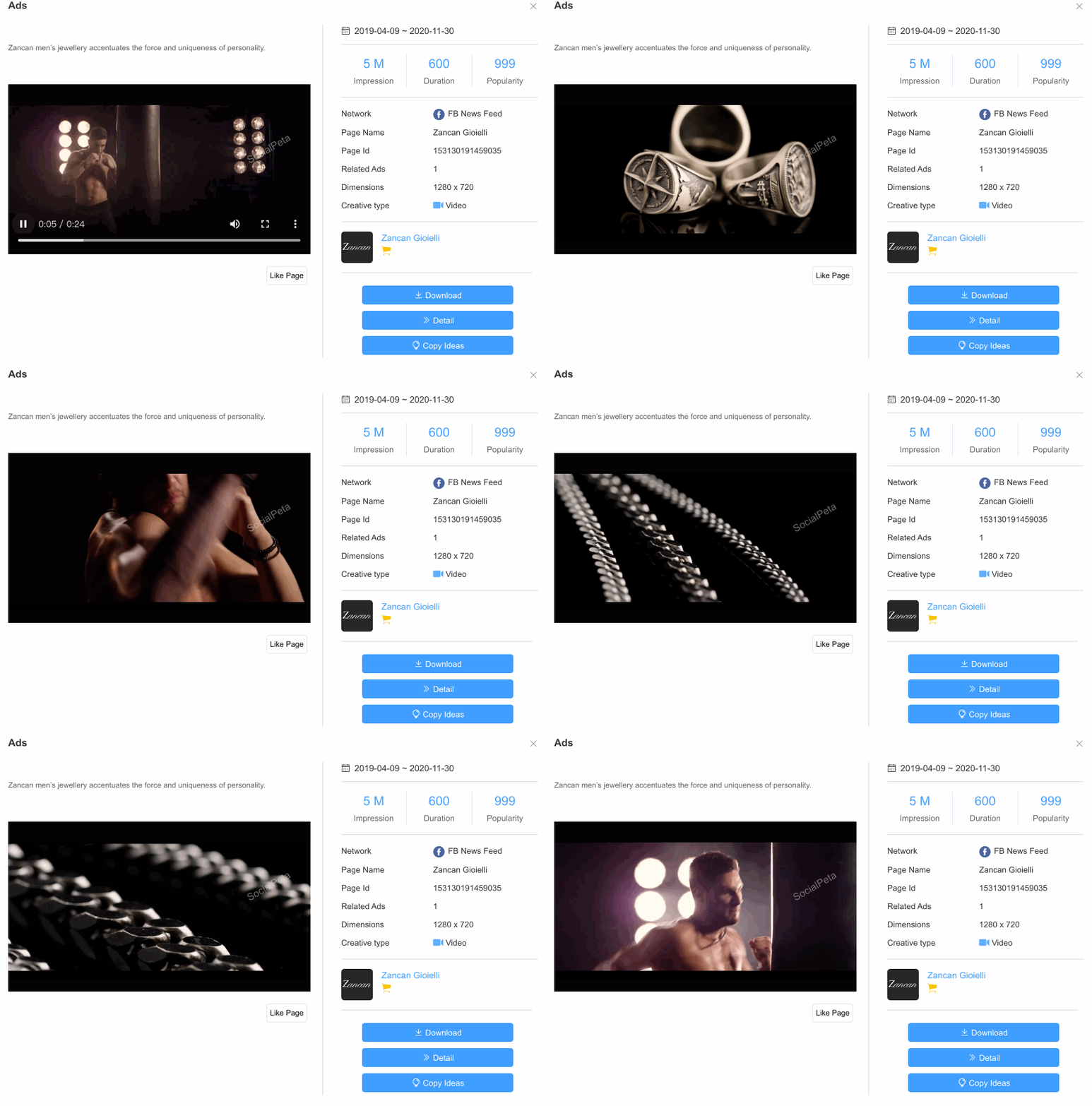
The article used a Zancan Gioielli advertisement as an example. Its creative featured a muscular male model wearing a necklace, with necklaces and rings incorporated into boxing-action imagery.
The intention was to associate the accessories with strength, confidence, and masculine styling. Instead of presenting the jewelry as an isolated product, the advertisement connected it to a broader identity and lifestyle.
Use Promotional Copy to Drive Clicks
The final technique reflected the commercial environment of 2020. The original article argued that weaker jewelry sales during the COVID-19 period increased pressure on businesses to compete for customers, making promotional campaigns one of the most direct ways to attract attention.
As a result, many jewelry advertisements incorporated promotional language directly into their ad copy. Terms such as "SALE," "FREE," and percentage discounts were used to make the offer immediately visible and encourage clicks.
The original article also recommended using emoji and exclamation marks when appropriate to make promotional copy more noticeable. These techniques should be understood in the context of the advertising styles being analyzed in 2020 rather than as a universal rule for every modern campaign.
Together, these five examples show how jewelry advertisers were combining product presentation, creative format, audience positioning, and promotional messaging during a difficult retail environment.
The central idea remains consistent throughout the case study: jewelry creatives need to communicate the appearance and character of the product quickly while giving viewers a clear reason to pay attention.